What Makes Dindigul Thalappakatti's Biryani Different From Every Other Biryani in the Bay Area
September 15, 2026 · Route 101 Deliveries

“Biryani” isn't one dish — it's a category, the same way “barbecue” covers wildly different regional traditions in the U.S. Most Bay Area Indian restaurants serve Hyderabadi or Lucknowi-style biryani. Dindigul Thalappakatti serves neither. It follows a distinct Tamil Nadu tradition, and the differences are noticeable the moment you take a bite.
The rice: seeraga samba, not basmati
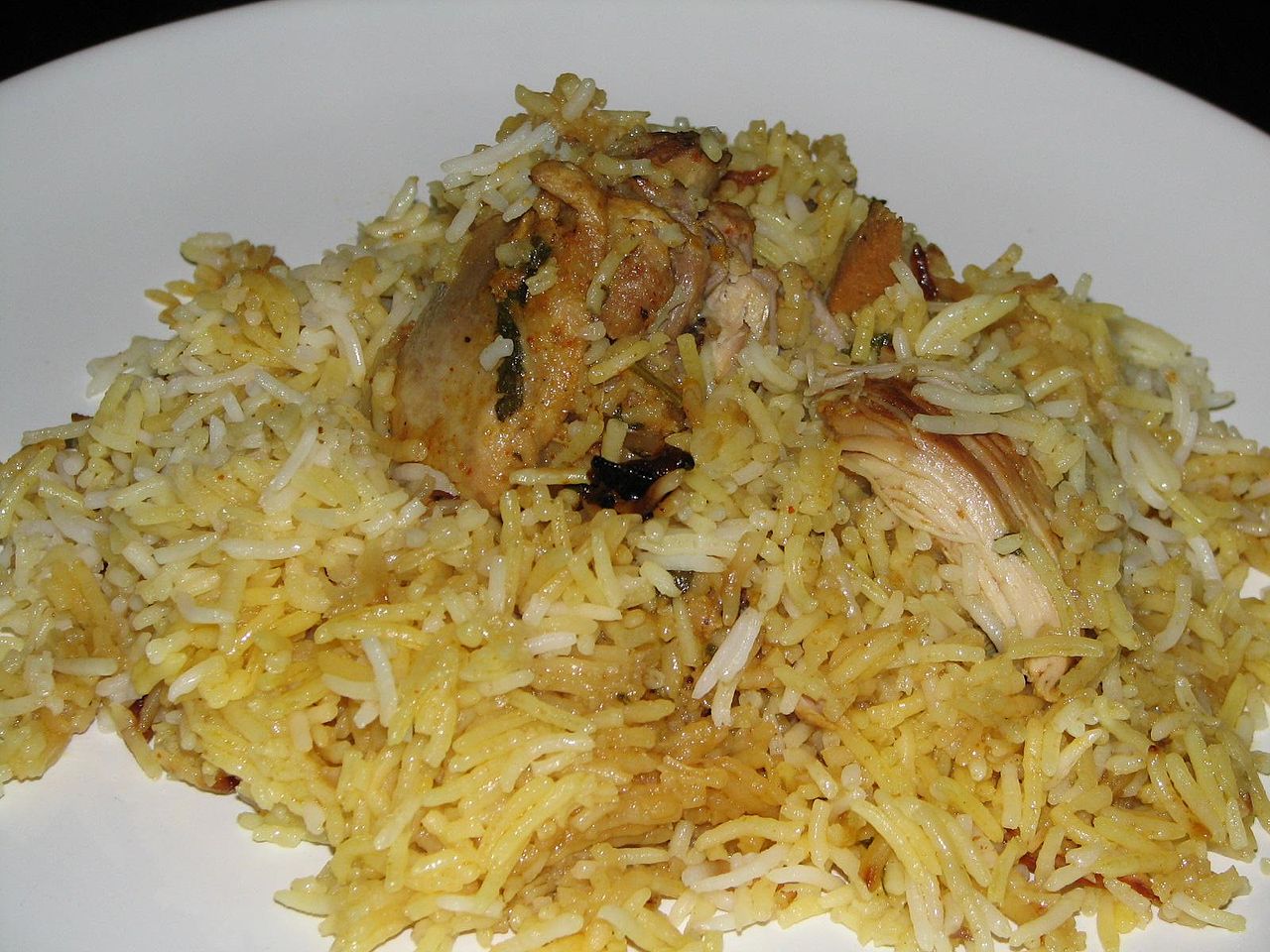
The single biggest difference is the rice itself. Hyderabadi and Lucknowi biryanis are almost always built on long-grain basmati rice, prized for its length and fluffiness. Dindigul-style biryani uses seeraga samba rice — a short, stubby grain named for its resemblance to cumin seeds (seeragam in Tamil). It absorbs spice and moisture differently than basmati, resulting in a denser, more intensely flavored grain rather than long, fluffy strands.
The cooking method: cooked-in, not layered
Hyderabadi biryani is famous for the dum method — partially cooked rice and marinated meat layered in a sealed pot and finished together over low heat, so the two components stay somewhat distinct until they're mixed at the table. Dindigul-style biryani takes a different approach: the meat is cooked directly into the rice from an earlier stage, so the flavors integrate throughout the dish rather than staying layered.
The spice profile: pepper and cumin forward
North Indian biryanis — Lucknowi in particular — lean on saffron, rosewater, and a milder, more fragrant spice blend. Chettinad cooking, the broader culinary tradition Dindigul Thalappakatti comes from, is known for being heavier on black pepper, dried red chilies, and cumin. That translates directly into the biryani: it's spicier and more savory-forward, with less of the sweet, floral quality associated with Mughlai-style rice dishes.
Made to order, not held in trays
Many biryani restaurants — especially buffet-style ones — cook large batches and hold them in steam trays for hours, which is part of why restaurant biryani can taste noticeably different from home-cooked biryani. Dindigul Thalappakatti prepares biryani to order. It's a meaningful difference for a dish this dependent on rice texture, and it's part of why the food travels well on the 40-plus mile Route 101 Deliveries route down to Gilroy and Morgan Hill — it isn't starting from an already-degraded steam-tray state.
A tradition with a specific origin
This isn't a generic “South Indian style” marketing label — it traces to a specific restaurant that opened in Dindigul, Tamil Nadu in 1957, founded by a man nicknamed “Thalappakatti” for the white turban he always wore. The restaurant's biryani recipe came from his wife, and the preparation method has stayed largely unchanged as the restaurant grew from a single four-seat shop into a chain with more than 100 locations worldwide, including the Milpitas outpost that supplies Route 101 Deliveries.
Where Chettinad cooking comes from
Chettinad cuisine takes its name from the Chettinad region of Tamil Nadu, historically associated with the Nattukottai Chettiar merchant community, who were known for importing and using a wider range of spices than most other South Indian cooking traditions. Dishes from the region are typically built on a freshly ground masala rather than a pre-made curry powder, often incorporating fennel, star anise, and dried spices toasted just before grinding. That same emphasis on fresh, whole-spice grinding rather than a pre-mixed masala is exactly what shows up in Dindigul Thalappakatti's biryani preparation.
How to taste the difference yourself
If you've mostly had Hyderabadi or Lucknowi biryani, the easiest way to notice the Dindigul style is to order the Mutton Biriyani and pay attention to two things: the texture of the rice (shorter, denser, more intensely flavored than basmati) and the spice level (more black pepper and cumin, less rosewater and saffron). It's a genuinely different dish, not just a regional variation on the same theme.
Gilroy and Morgan Hill residents can try it for themselves through Route 101 Deliveries, which brings Dindigul Thalappakatti's Milpitas kitchen south most evenings around 7:30 P.M. PST.
Frequently asked questions
Is Dindigul-style biryani spicier than Hyderabadi biryani?
Generally yes — Chettinad cooking leans on black pepper and dried red chilies more heavily than the saffron-and-rosewater profile typical of Hyderabadi or Lucknowi biryani, so Dindigul-style biryani tends to read as spicier and more savory rather than fragrant and mild.
Does the type of rice really make that much of a difference?
It does. Seeraga samba rice is shorter and denser than basmati, so it absorbs the spice blend differently and produces a heartier, more intensely flavored grain rather than the light, fluffy texture associated with basmati-based biryanis.